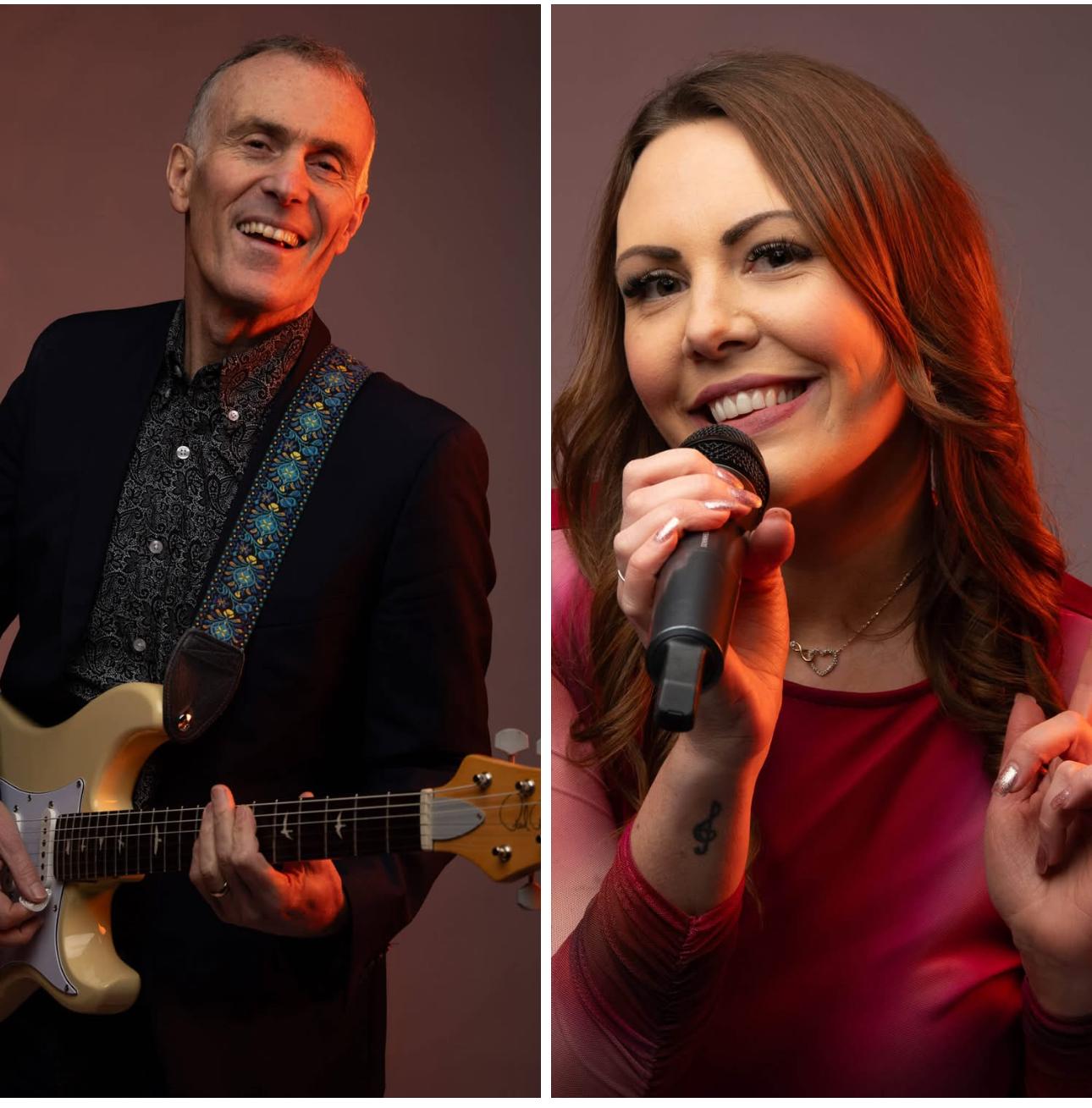
Singing at a wedding can add a heartfelt and personal touch to the ceremony or reception. Here are common moments when someone might sing:
During the Ceremony:
-
Processional:
- As the wedding party or the bride walks down the aisle, a live or recorded song can set a meaningful and emotional tone.
-
During the Unity Ritual:
- If the couple is performing a unity ritual (like lighting a unity candle or mixing sands), a song can play in the background or be sung live to enhance the moment.
-
After the Vows:
- Following the exchange of vows, a song can be sung to celebrate the union.
-
Recessional:
- As the couple exits the ceremony, an uplifting or celebratory song can mark the joyous moment.
-
Special Reflection or Prayer Time:
- If there’s a moment of reflection or prayer, a solo or choral performance can deepen the emotional resonance.
During the Reception:
-
First Dance:
- A live performance of the couple's chosen first dance song can make the moment extra special.
-
Parent Dances:
- Singing during the father-daughter or mother-son dances can add an intimate touch.
-
During Dinner:
- Soft, live singing can provide a lovely backdrop as guests dine.
-
Toasts or Dedications:
- A song dedicated to the couple can be performed between speeches or as a surprise gift.
-
Closing the Night:
- A final song to close the celebration can be a memorable send-off for the couple and their guests.
Who Should Sing?
- Friends or Family: Their performance can add a personal and emotional element.
- Professional Singers: Ensure a polished and professional delivery.
- The Couple: If one or both members of the couple are musically inclined, singing can be a deeply personal gesture.
It’s important to coordinate with the officiant, musicians, and wedding planner to ensure the performance fits seamlessly into the schedule.